Hedge Trimming in Addiscombe

Hedge trimming in Addiscombe is a straightforward way to keep boundary planting neat, manageable and in good seasonal shape. Our service covers routine hedge cutting, careful reduction where growth has become uneven, and tidy finishing so the hedge keeps a clean outline without looking harsh. We work with the practical needs of domestic gardens and shared outdoor spaces, shaping hedges for presentation, light, access and control.
If a hedge has started to widen, shade a path, or lose its defined line, regular trimming can bring it back under control before the work becomes heavier. We focus on sensible cutting that respects the plant’s structure, keeping the result tidy, even and proportionate. For customers comparing service options, the main choice is often between maintenance trimming and a more noticeable reshape, and each requires a different approach.
Use the details on this page to judge the level of work your hedge needs, then request a quotation when you are ready. If you already know the hedge type, the approximate length and the current condition, that is enough to begin a practical discussion. For the most accurate pricing, please send a clear description of the work you want done.
Routine hedge maintenance
Regular hedge maintenance is usually the simplest and most economical way to keep a garden edge under control. A hedge that is trimmed at sensible intervals tends to stay denser, neater and easier to shape than one that is left for long periods and then cut back heavily. We can carry out repeat trimming to keep established growth aligned, reduce minor overhang and maintain a consistent height or width where the planting allows it.
In practical terms, this service is about making the hedge easier to live with. Paths stay clearer, borders feel more ordered, and the hedge is less likely to encroach on driveways, fences or neighbouring areas. We aim for a finish that looks maintained rather than overworked, using measured cuts and a tidy final line. Our services overview can help you see how hedge trimming sits alongside other garden work we provide.
Regular upkeep is also useful where a hedge has a defined role in the garden, such as screening a seating area or framing a front boundary. In those cases, the trim needs to support the hedge’s purpose rather than simply shorten it. A careful service should leave the plant looking deliberate, not clipped to the point of losing character, and should avoid unnecessary stress to healthy growth.
Shaping, reductions and selective cutting
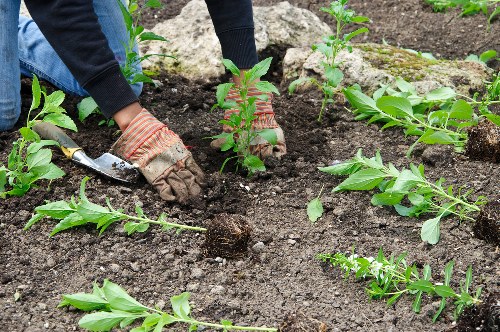
Not every hedge needs the same treatment. Some need a light cosmetic trim, while others need a more definite reduction because the top has risen too high or the sides have spread out of line. We can work through the condition of the hedge and choose the approach that best fits the species, the current shape and the result you want. Where a hedge has become broad or top-heavy, a gradual rebalancing is often more appropriate than a heavy one-off cut.
Selective cutting is useful when parts of the hedge are healthy and well formed but one section has grown faster than the rest. In that situation, the work should improve the outline without creating a patchy or uneven look. This is one reason why hedge trimming is not just a simple cut-and-finish task; it often involves deciding how much to remove, where to keep growth for future fill, and how to leave the hedge looking coherent.
Customers sometimes need a neater presentation before a sale, an event or the start of a growing season. A well-shaped hedge can make the whole garden feel more settled and cared for. Garden maintenance is useful when the hedge is part of a wider schedule of routine outdoor upkeep, while hedge trimming remains the core service for keeping the boundary line in order.
What a good trim should achieve

A good hedge trim should do more than remove fresh growth. It should preserve the hedge’s intended line, keep the surface even, and avoid leaving obvious marks or uneven dips. The final result should suit the hedge’s role in the garden, whether that means a formal straight edge, a softer natural line, or a shape that has to work around a gate, wall or corner. Good trimming is as much about judgement as cutting.
It also helps to think about the hedge’s long-term condition. A trim that is too severe can expose bare wood or leave the hedge looking thin, while a trim that is too cautious may not control the spread enough. We aim to strike a sensible balance, making the hedge presentable now while keeping future maintenance realistic. That balance matters on older hedges that have been left to run a little long between visits.
For customers preparing an enquiry, it helps to note the hedge’s approximate height, its length, and whether both sides need work. If the hedge borders a public-facing area, mention any access limitations or nearby features that may affect how the job is carried out. Contact us when you are ready to discuss the work and arrange a quotation.
Hedge types and garden situations
Different hedges respond in different ways, so the trimming approach should be chosen with the plant and setting in mind. Formal hedges usually benefit from clean, even lines and repeated maintenance, while mixed or less formal hedges may need a lighter hand to keep their natural character. The aim is not to force every hedge into the same shape, but to give each one a finish that suits its growth habit and location.
Garden boundaries often need practical trimming where branches begin to crowd a path, obscure a window or lean into an adjoining space. In front gardens, neat hedging can strengthen the overall appearance of the property. In rear gardens, the work often focuses more on light, privacy and keeping the hedge from becoming intrusive. A sensible trim can support all of those aims without making the planting look stripped back.
Where hedges are combined with fencing, walls or edging, the cut may need to take account of hard landscaping so the finish looks coherent. If the hedge has grown unevenly after a period of change, it may be better to refine the worst sections first and then bring the whole line back into shape over time. That approach can be particularly useful when the hedge is still healthy but needs consistent management.
Planning the work and preparing a quotation

To prepare an accurate quotation, it helps to know what the hedge is, how much of it needs attention and whether you want simple maintenance or a more noticeable reduction. A few practical details are often enough to get the discussion started: the hedge’s approximate length, its rough height, whether waste removal is required, and whether access is straightforward from the garden or only from one side. That information makes the pricing discussion more precise.
You do not need to turn the enquiry into a full survey. A clear description of the hedge’s condition is usually enough to establish the likely scale of work, especially if the hedge is visible from more than one side or has sections that are thicker than others. If you are comparing options, it can help to say whether you want the hedge kept at its current size, reduced gradually or reshaped more clearly. Pricing and quotes may also help frame the kind of information that is useful when asking for a quotation.
If the hedge runs alongside a shared boundary or a tighter access route, mention that early so the work can be planned appropriately. A short message with the main details is often the quickest way to move from first enquiry to a practical quote. Please include any relevant constraints, then ask for a quotation in plain terms so the response can match the job properly.
Hedge trimming and related garden services
Some customers need hedge trimming on its own, while others prefer to combine it with wider garden work. That can be a sensible way to manage a garden where the hedge is only one part of the overall upkeep. If paths are closing in, lawns are overgrown or borders have become untidy at the same time, arranging related tasks together can create a more balanced finish across the space.
For gardens that need more than trimming alone, it is useful to think in terms of the whole boundary and the surrounding planting. A hedge may need cutting back, but the area beneath it may also need tidying, leaf clearing or general maintenance so the work reads as complete rather than partial. Well-planned garden care can make the hedge look more intentional because the surrounding space supports the result.
Garden clearance is relevant where the hedge work sits alongside a larger tidy-up, while lawn mowing can be useful when you want the surrounding grass cut at the same time. These services are not substitutes for hedge trimming, but they can complement it when the aim is to bring the whole outdoor area back into order.
Waste, finishing and neat presentation
Hedge trimming often leaves a fair amount of cut growth, so the finish matters as much as the cutting itself. A tidy job should leave the hedge looking deliberate, the surrounding area cleared sensibly, and the property ready to use again without leaving loose clippings scattered around. The exact handling of waste depends on the scale of the work and the hedge itself, but the principle remains the same: the site should be left neat.
Presentation is especially important where the hedge fronts onto a drive, walkway or visible boundary. Even when the main purpose is maintenance rather than redesign, the final appearance should be even and coherent. That means checking the outline, dealing with obvious protrusions and ensuring the hedge reads as a single continuous feature rather than a series of separate cuts. Small finishing touches can make a noticeable difference to the overall result.
Some hedges need a service that is very light and frequent, while others benefit from a more substantial tidy once they have grown beyond their normal line. Either way, the goal is to leave the hedge in a better state than before and to make future care simpler. If you want a quotation that reflects the amount of finishing involved, say so from the start.
About Addiscombe
Addiscombe is an area in the London Borough of Croydon, in south London, with a character shaped by suburban development, transport links and a long transition from older rural settlement into a densely inhabited district. Historically, the name is associated with Addiscombe Place, a country house that once stood in the area and gave the district a distinct identity before later urban growth changed its landscape. The area is now strongly connected to Croydon while still retaining its own local centre and residential streets. Its built environment includes a mix of Victorian and later housing, along with commercial frontages and local community facilities that reflect the gradual layering of development over time. Addiscombe Road is one of the better-known routes through the area, linking neighbourhood activity with wider movement across Croydon. The tram network also contributes to everyday life here, with local stops such as Addiscombe and nearby connections helping to integrate the district into the wider town. Beyond transport, Addiscombe has parks and open spaces that provide contrast with the surrounding housing, including Ashburton Park and other green pockets that support recreation and give the area a more varied urban texture. The local street pattern, small parades of shops and a mixture of detached, semi-detached and terraced homes give the area a recognisable suburban feel, while its position within Croydon keeps it tied to one of south London’s most significant borough centres. As with many parts of the capital’s outer districts, Addiscombe combines movement, housing and neighbourhood convenience in a way that makes it legible as a distinct place rather than merely an extension of the town around it.
Choosing the right level of hedge work
Choosing the right level of work is often the most important part of arranging hedge trimming. A hedge that only needs a tidy cut should not be treated as though it requires a major reduction, and a hedge that has been left too long may need a more measured reshaping than a quick pass. We can help you judge the likely level of intervention by looking at the hedge’s current line, density and growth pattern.
It is also worth considering how the hedge fits into the rest of the garden. A taller hedge may offer better screening but can feel heavy if it is not maintained well. A lower hedge may suit a front boundary or a more open garden but will need regular care to stay crisp. The best result is usually the one that balances visual order with the hedge’s practical role, rather than chasing an overly sharp finish.
Ask for a quotation when you have a clear idea of the hedge’s length and the finish you want. If you are still deciding between a trim, a reduction or wider maintenance, say that in your enquiry so the response can reflect the job properly. A brief message is usually enough to start the process and get the work assessed sensibly.